BiodataBuilder Editorial Team
Our editorial team consists of experienced writers and cultural researchers who specialise in Indian matrimonial traditions, regional formats, and modern matchmaking practices.
Published 4 May 2026
Master Biodata Guide: Photos, Hobbies & Mistakes to Avoid
A marriage biodata is often the very first impression your family makes on a prospective match. Small missteps — a blurry photo, a vague "about me," or an overwhelming layout — can mean your profile gets skipped entirely.
In this master guide, we will walk you through the three most critical components of a successful biodata: how to choose a flattering photo, how to write an engaging hobbies section, and the absolute biggest mistakes you need to avoid.
Part 1: Choosing the Perfect Biodata Photo
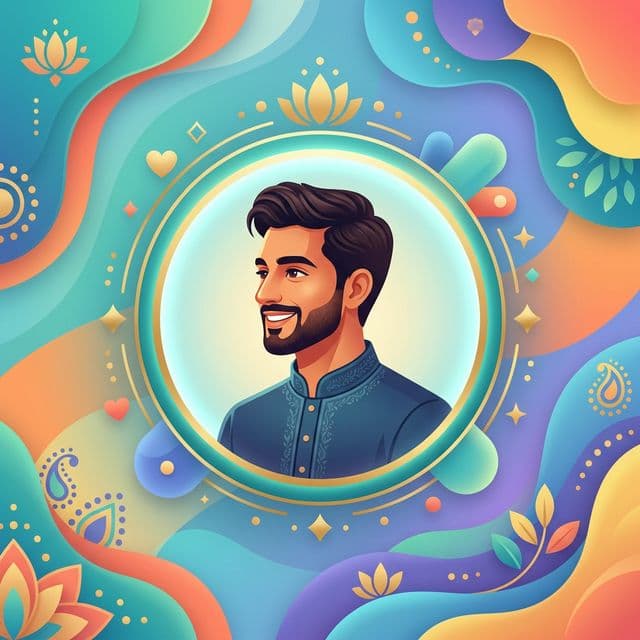
Your photo sparks the initial interest. A good photo sets a positive tone for the rest of your biodata, while a poor one can end the conversation before it even starts. Here is how to ensure your biodata photo gives the best possible impression:
A. Frame It Correctly
The ideal biodata photo is a head-and-shoulders (passport-style) shot. Your face should take up roughly 70–80% of the frame. Ensure the photo accurately represents how you look today — not five years ago. Families appreciate authenticity over heavily filtered pictures.
B. Dress & Background
Wear something you would confidently wear to a formal family gathering. Traditional or smart-casual attire works best. Just as important is your background: choose a clean, uncluttered background like a plain wall or a soft outdoor setting. Busy backgrounds distract from your face.
Part 2: What to Write in Hobbies & Interests
The hobbies section is incredibly underrated. It is one of the only places where your personality gets to speak beyond cold facts and figures. A well-written hobbies section creates instant connection points.
Ditch the Generic Filler
Phrases like "Listening to music," "watching TV," and "spending time with family" are assumed. They tell the reader absolutely nothing unique about you. Instead, try to be specific.
Strong Examples of Hobbies
- Intellectual: "Reading (historical fiction and self-help)," or "Playing classical guitar"
- Active & Outdoor: "Weekend trekking, badminton, and yoga"
- Creative: "Baking eggless desserts," "Carnatic vocal music," or "Amateur photography"
Pick 3–5 genuine ones. Listing 12 hobbies looks like you padded the list, and listing things you don't actually do will lead to awkward conversations later.
Part 3: 5 Fatal Mistakes to Avoid
Even with a great photo and interesting hobbies, logistical and formatting errors can ruin a biodata. Ensure you aren't making these common mistakes:
- Leaving the "About Me" Section Empty:
This is your elevator pitch. Instead of "I am a simple person looking for a partner," try: "A software engineer by profession, I am rooted in family values while maintaining an independent outlook."
- Being Vague About Income or Profession:
Listing your income as "Good" or "As per industry standard" is frustrating. State a clear range. Families need this to assess lifestyle compatibility.
- Omitting Astrological Details:
For families that care about Kundali matching (Rashi, Nakshatra, Manglik status), omitting these forces a follow-up call just to ask basic questions. Provide them upfront.
- Using a Word Document (Not a PDF):
A Word file (.docx) shared on WhatsApp often breaks when opened on different phones. Margins shift, photos vanish, and fonts change. Always share your biodata as a PDF format.
- Extremely Restrictive Expectations:
Over-filtering on paper ("Must be from same city, below 5'4", 20+ LPA") makes you seem rigid before anyone has even spoken to you. List your 2–3 absolute dealbreakers and stay open on the rest.
What's Next?
If you found this guide helpful, you might also want to read our master guide on biodata photo tips and mistakes to avoid. Or, if you're exploring styles, check out the differences between modern and traditional formats.
Once you're ready, you can use our biodata builder to create your profile instantly without any design skills.
Explore in other languages
Read our guides built for regional languages.
Ready to Create Your Biodata?
Use our free guided builder to instantly create a beautiful, professional marriage biodata in 5 minutes.
Create Your Biodata Now